-


-

-
For Appointments Call
-
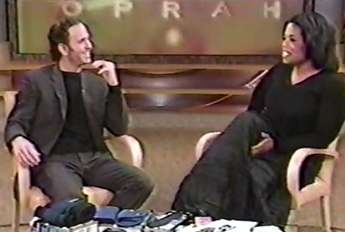
as seen on

-

-
National Womens Hockey League

Medical Director
-

Medical Director
-
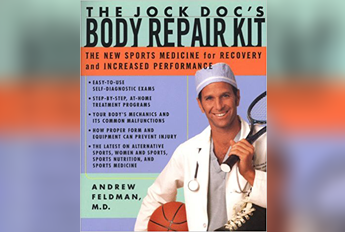
Author of

- KneeKnee
- ShoulderShoulder
- ElbowElbow
- Foot & AnkleFoot & Ankle
- Stemcells/Biologics/InjectionsStem cells/Biologics
/Injections - Cartilage Repair & RestorationCartilage Repair & Restoration
- Tendon InjuriesTendon Injuries
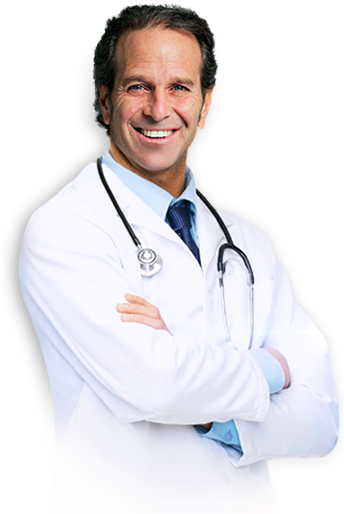
Andrew Feldman MD - Orthopedic Surgeon & Sports Medicine Specialist
Board Certified Orthopedic Surgeon Over 25 Years of Experience
Dr Feldman is a board certified orthopedic Surgeon and Clinical Assistant Professor in the Department of Orthopedics at Hospital for Joint Diseases/NYU Langone Medical Center. He graduated from Cornell Medical College and completed his fellowship in Sports Medicine Arthroscopy at the University of Pittsburgh under Dr. Freddie Fu.


 Weill Cornell
 University of
 Langone Orthopedic Hospital
 American Board of
 Arthroscopy Association
 National Womens
 New York
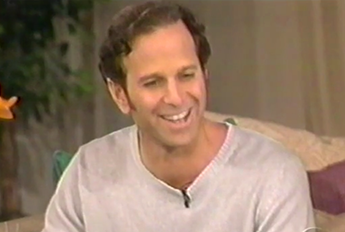
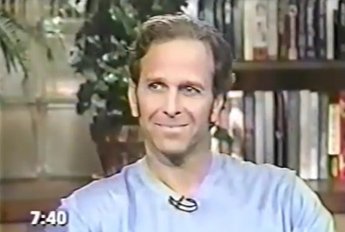
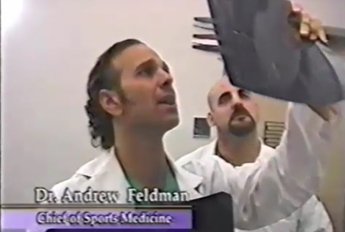
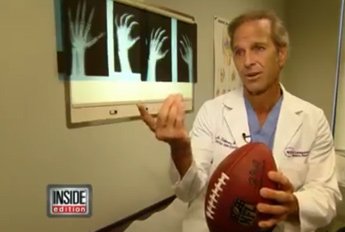
Countless Appearances National Media
Dr. Feldman has made countless apperances in the media as a sports medicine expert. He lectures worldwide and frequently appears in broadcast media as an expert medical consultant.